
Croydon has been home to many remarkable people, but few have left a legacy as internationally significant as Samuel Coleridge-Taylor.
In 2025-2026, Croydon celebrated the 150th anniversary of the composer's birth through a borough-wide programme of performances, exhibitions, artistic commissions and community activities.
The new Samuel Coleridge-Taylor 150 digital collection preserves that celebration and helps ensure that future generations can continue to explore the life and legacy of one of Croydon's most influential cultural figures.
Click on each image to find out more!
Who was Samuel Coleridge-Taylor?
Born in Holborn, London in 1875, Samuel Coleridge-Taylor was the son of an English mother and a West African father. The family moved to Croydon in 1877. A gifted musician from an early age, he studied at the Royal College of Music and after completing his degree, Taylor became a professional musician. He taught as a professor at the Crystal Palace School of Music and conducted the orchestra at the Croydon Conservatoire.
His work blended classical traditions with influences from African American spiritual music, and his famous composition Hiawatha's Wedding Feast brought him international acclaim.
Although his life was tragically short, ending when he was only 37, his influence continues to be felt today.
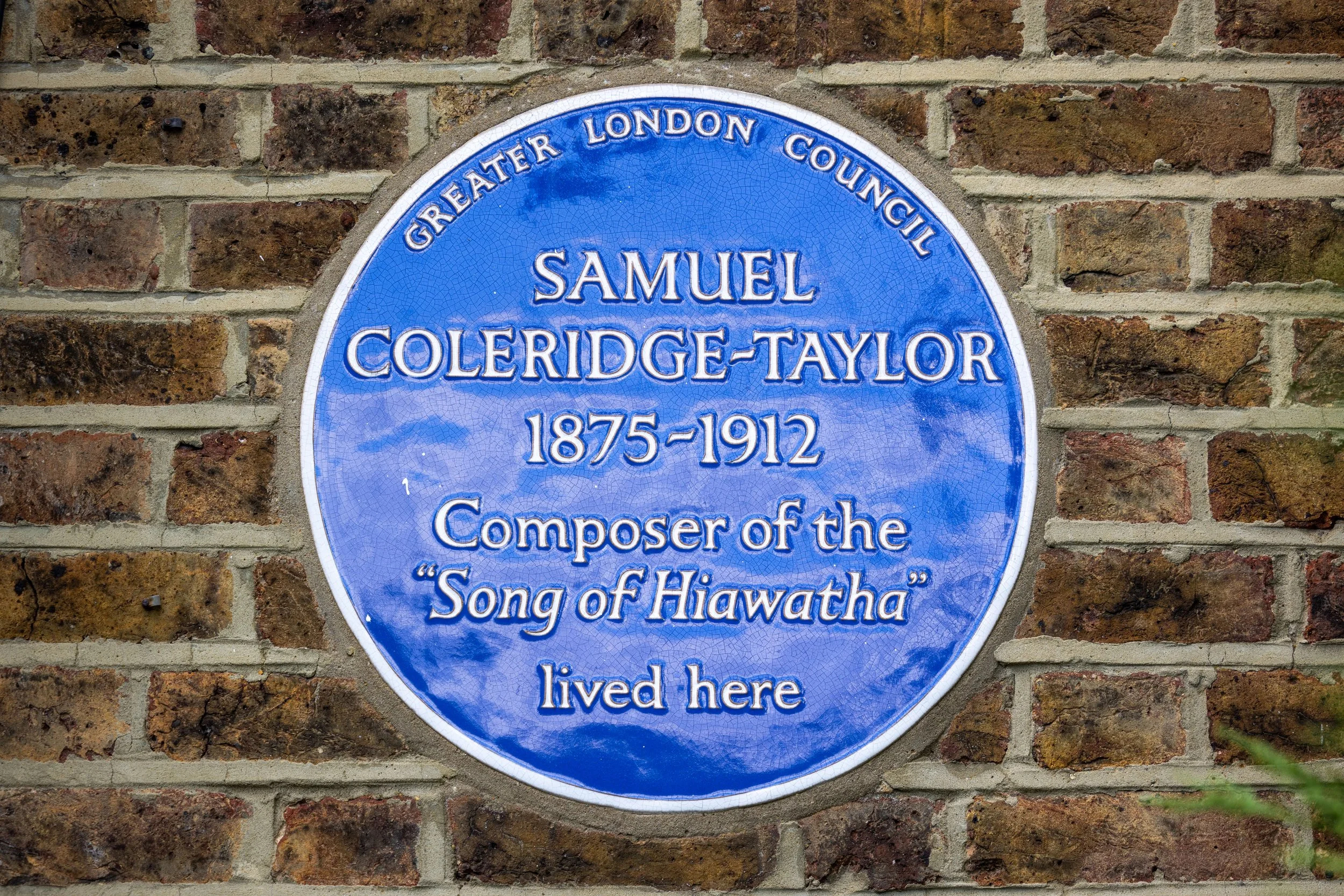
Credit: Glenn Foster Photography Croydon Archives Catalogue Reference: AR1261/1/5/6/2
Why does this collection matter to Croydon?
The Samuel Coleridge-Taylor 150 collection is about far more than one individual.
It reflects how communities across Croydon came together to celebrate a shared heritage and reintroduce a significant local figure to new audiences. The anniversary programme included music, dance, visual arts, education projects, public artworks and exhibitions inspired by Coleridge-Taylor's life and achievements.
By preserving these materials digitally, Croydon Archives is capturing not only the history of Samuel Coleridge-Taylor himself, but also the story of how Croydon chose to celebrate him 150 years after his birth.
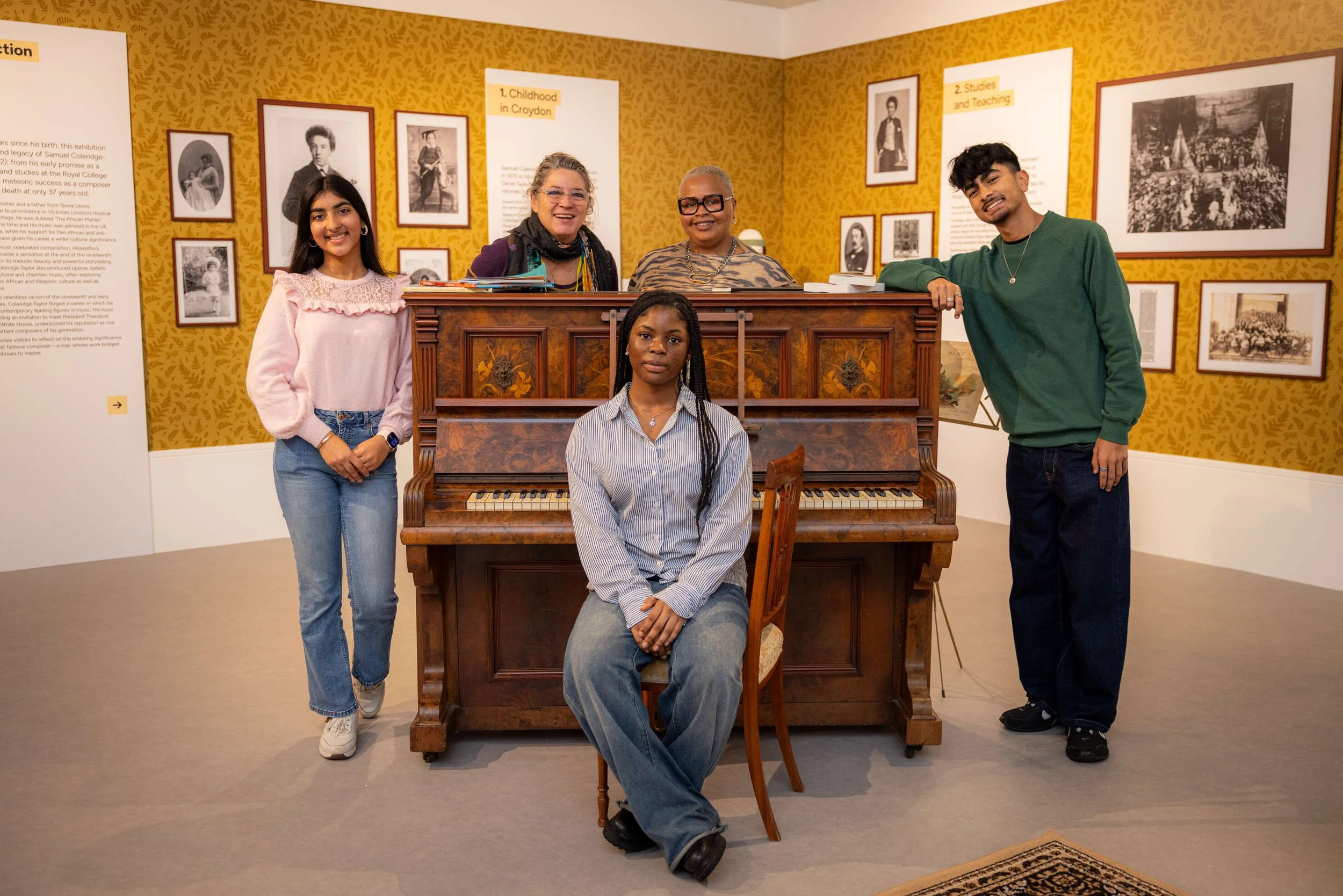
Credit: Glenn Foster Photography Croydon Archives Catalogue Reference: AR1261/2/4/67/205
Collection highlights
You can explore digital items such as:
· Photographs and film of community performances and events including the BRIT School takeover (new work ranging from dance, music, drama and film inspired by the records of Samuel Coleridge-Taylor at Croydon Archives and the Royal College of Music, performed at Croydon Clocktower) and the Samuel Coleridge-Taylor at 150 concert at Fairfield Halls on the 19th of October 2025
· Exhibition and interpretation materials from 'The Sound of Croydon - Celebrating Samuel Coleridge-Taylor’ exhibition at the Museum of Croydon
· Creative responses inspired by Coleridge-Taylor's life, including banner artworks by artists including Alvin Kofi, Ameena Rojee, Bareface, Chioma Ince, Diana Phiri-Whitty, Gabriel Eka, Henrique J Paris, Rayveen D’Clark and Yvadney Davis
· Educational and engagement resources including worksheets and family trails
· General records documenting the planning and organisation of Croydon's borough-wide celebration of the anniversary year, such as plans, presentations, communications and marketing materials
Together, these records show how heritage can inspire creativity, learning and community participation.
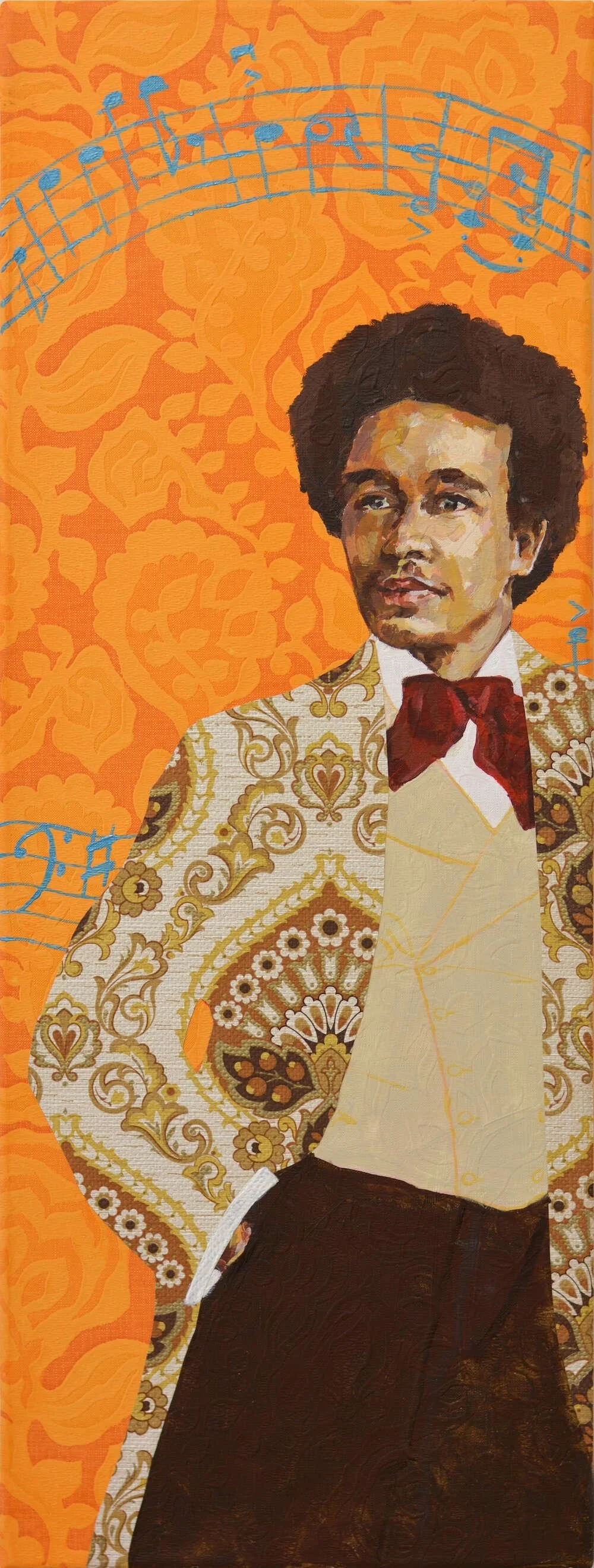
Credit: Yvadney Davis Croydon Archives Catalogue Reference: AR1261/1/3/5/1/6
Why digital archives matter
For many people, archives can feel distant or unfamiliar.
Digital collections can help break down those barriers. They allow people to engage with heritage in new ways without needing to visit the archives in person - whether they are students discovering Croydon's history, musicians researching Coleridge-Taylor's influence, or residents interested in learning more about the people who helped shape the borough.
Digital archives also allow us to preserve contemporary community activity, as most records that are currently being created are in digital form. Today's exhibitions, performances, creative works and celebrations become tomorrow's historical records.
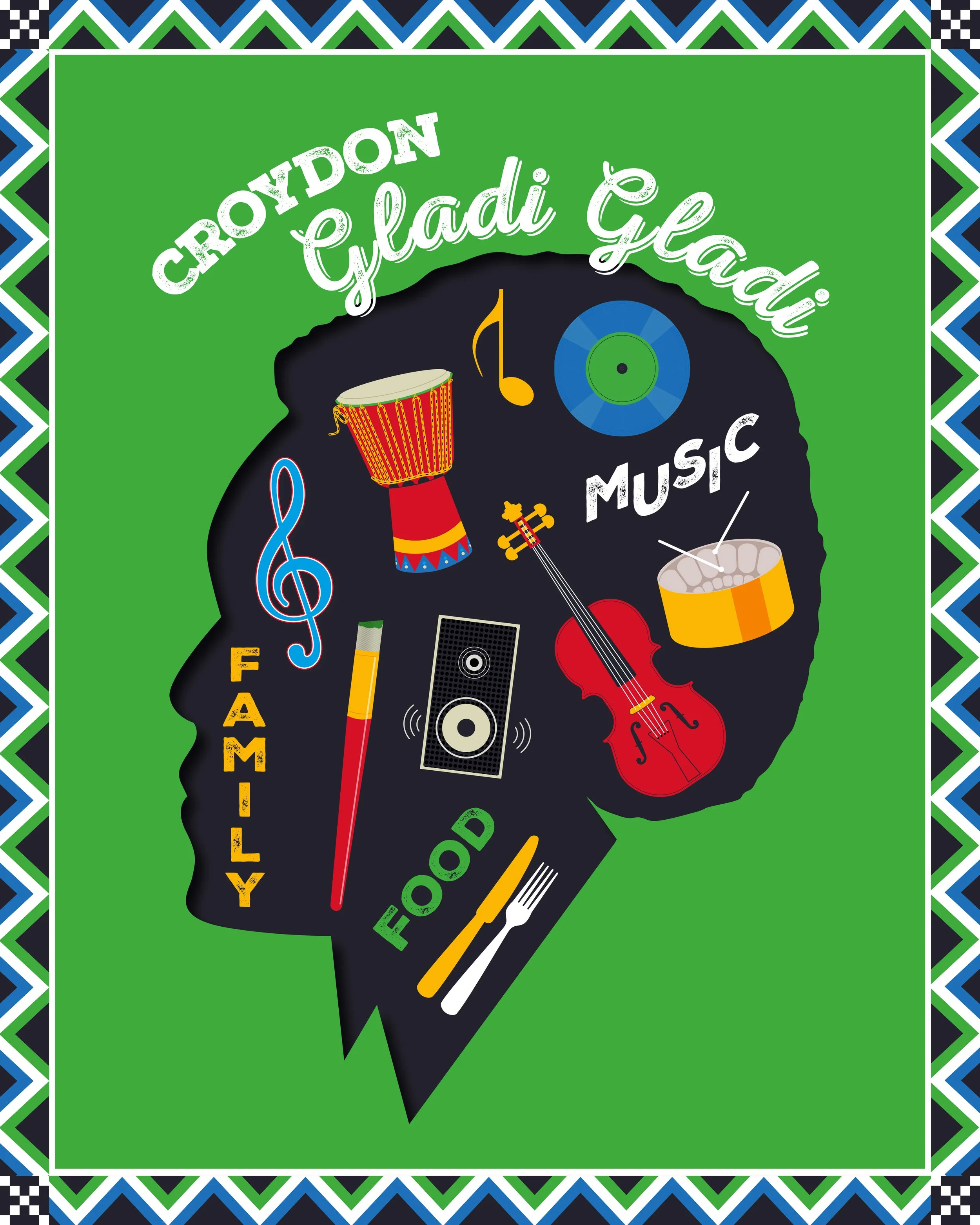
Credit: Croydon Council Croydon Archives Catalogue Reference: AR1261/1/5/10/2/1/1
A living legacy
Perhaps the most exciting thing about the Samuel Coleridge-Taylor 150 collection is that it demonstrates how heritage remains relevant today.
The anniversary programme invited residents to explore questions about identity, creativity, representation and local pride. Through music, art and storytelling, communities across Croydon engaged with a legacy that continues to resonate 150 years on.
This digital collection ensures that future generations will be able to discover both the extraordinary life of Samuel Coleridge-Taylor and the ways in which Croydon came together to celebrate his legacy.

Credit: Rayvenn D’Clark
Croydon Archives Catalogue Reference: AR1261/1/3/5/1/7
How to access the collection
The Samuel Coleridge-Taylor 150 collection is available here on the Croydon Archives catalogue, as part of our growing digital collections programme.
Whether you're researching music history, Black British heritage, Croydon's cultural history, education, community engagement or the life of Samuel Coleridge-Taylor himself, the collection offers a valuable new resource for exploration and discovery.
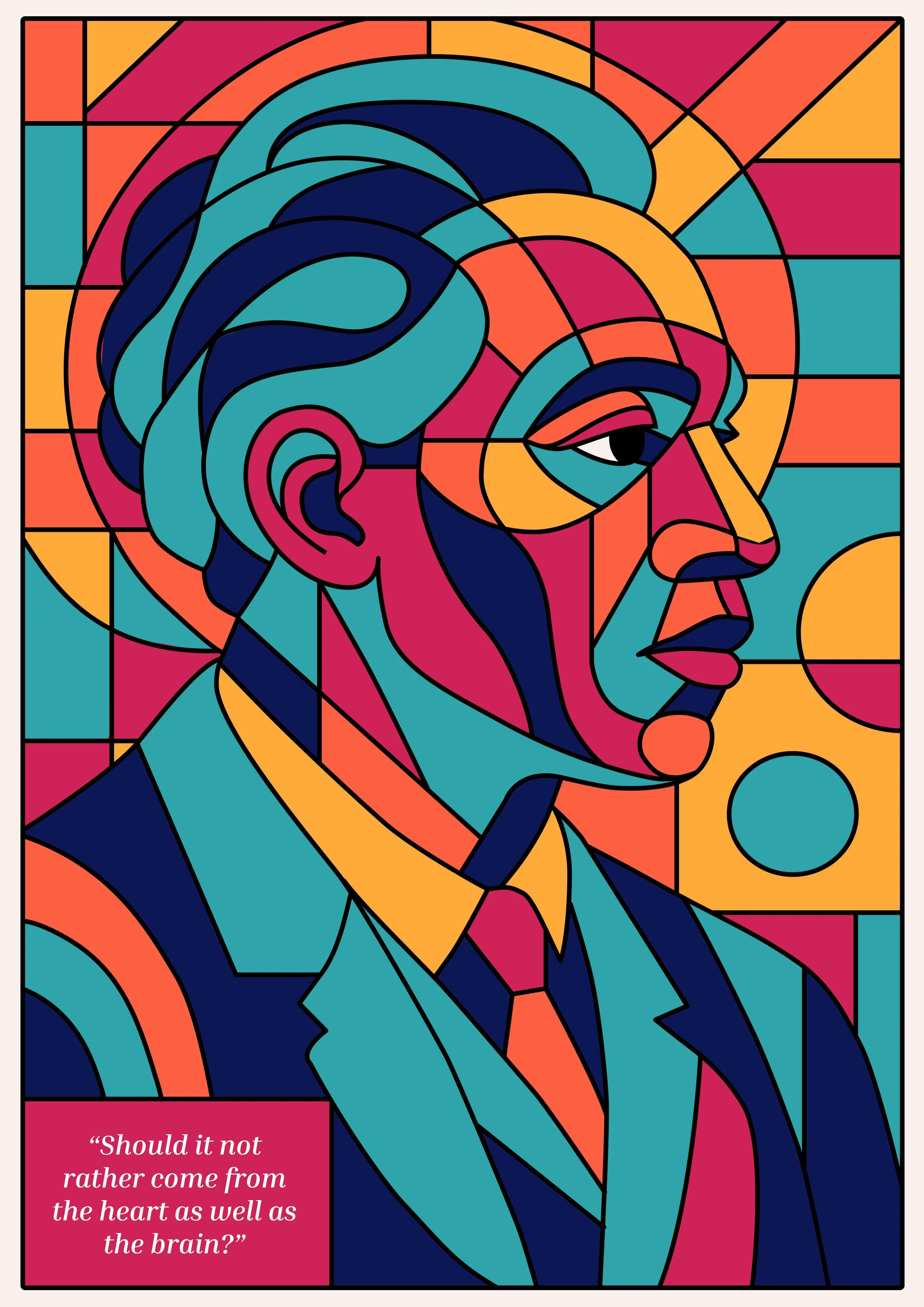
Credit: The BRIT School Croydon Archives Catalogue Reference: AR1261/3/189/2
Records in this collection that were created by Croydon Council (Culture Team and Croydon Heritage Service) are licensed under the Creative Commons Attribution 4.0 International (CC BY 4.0) Licence. You are free to copy, distribute, adapt and reuse this record for any purpose, including commercial use, provided that appropriate credit is given to Croydon Heritage Service and the Samuel Coleridge-Taylor 150 Project, and a link to the licence is provided.
Licence: https://creativecommons.org/licenses/by/4.0/.
This includes Council marketing, photographs, graphics and logos and material created by Croydon Heritage Service as part of the Samuel Coleridge-Taylor exhibition, such as educational resources and exhibition content.
