
World Digital Preservation Day 2026: Saving Croydon's Digital Stories

Today we are marking World Digital Preservation Day, a global celebration of the work being done to protect digital heritage for future generations. The theme for 2026 is"Save our Stories (SOS): Our Digital Heritage in Danger", highlighting the importance of safeguarding the records, memories and cultural assets that tell the story of our communities.
When people think of archives, they often imagine shelves of historic documents, photographs and maps carefully preserved in basement storerooms. While these remain an important part of our collections, much of Croydon's history is now being created digitally.
Council committee papers, policies and strategies, websites, photographs, videos, emails and other electronic records document how our borough develops and changes over time. These records provide evidence of decisions, services, places and people, helping future generations understand life in Croydon in the 21st century.
But preserving digital records presents a unique set of challenges.
More Than Just Saving a File
Some people assume that digital preservation simply means storing files on a hard drive or in the cloud. In reality, preserving digital information is an active and ongoing process.
Technology changes constantly. Software becomes obsolete, storage media fails and file formats fall out of use. A document that opens perfectly today may become difficult or impossible to access in the future without careful management.
At Croydon Archives, digital preservation involves a range of activities designed to ensure that digital records remain accessible, authentic and understandable over time.
When digital records are transferred to us, we first need to ensure they have arrived safely and completely. We carry out checks, identify file formats and record important information (metadata) about the files. We also create checksums - sometimes described as digital fingerprints. These unique values allow us to verify that files have not been accidentally altered or corrupted over time.
Digital records are then ingested into a dedicated digital preservation system (Arkivum), where they are securely stored, checked for integrity and enriched with preservation metadata. This allows us to monitor files over time, maintain their authenticity and ensure they remain accessible.
One of the advantages of our workflow is that our preservation system integrates directly with our online catalogue. This means that users can discover and view digital records through the catalogue itself. In this way, digital preservation is not only about protecting information for the future, but also about making it accessible today.
This kind of work happens behind the scenes, but it is essential for ensuring that digital records remain trustworthy and usable for future researchers of Croydon’s history.
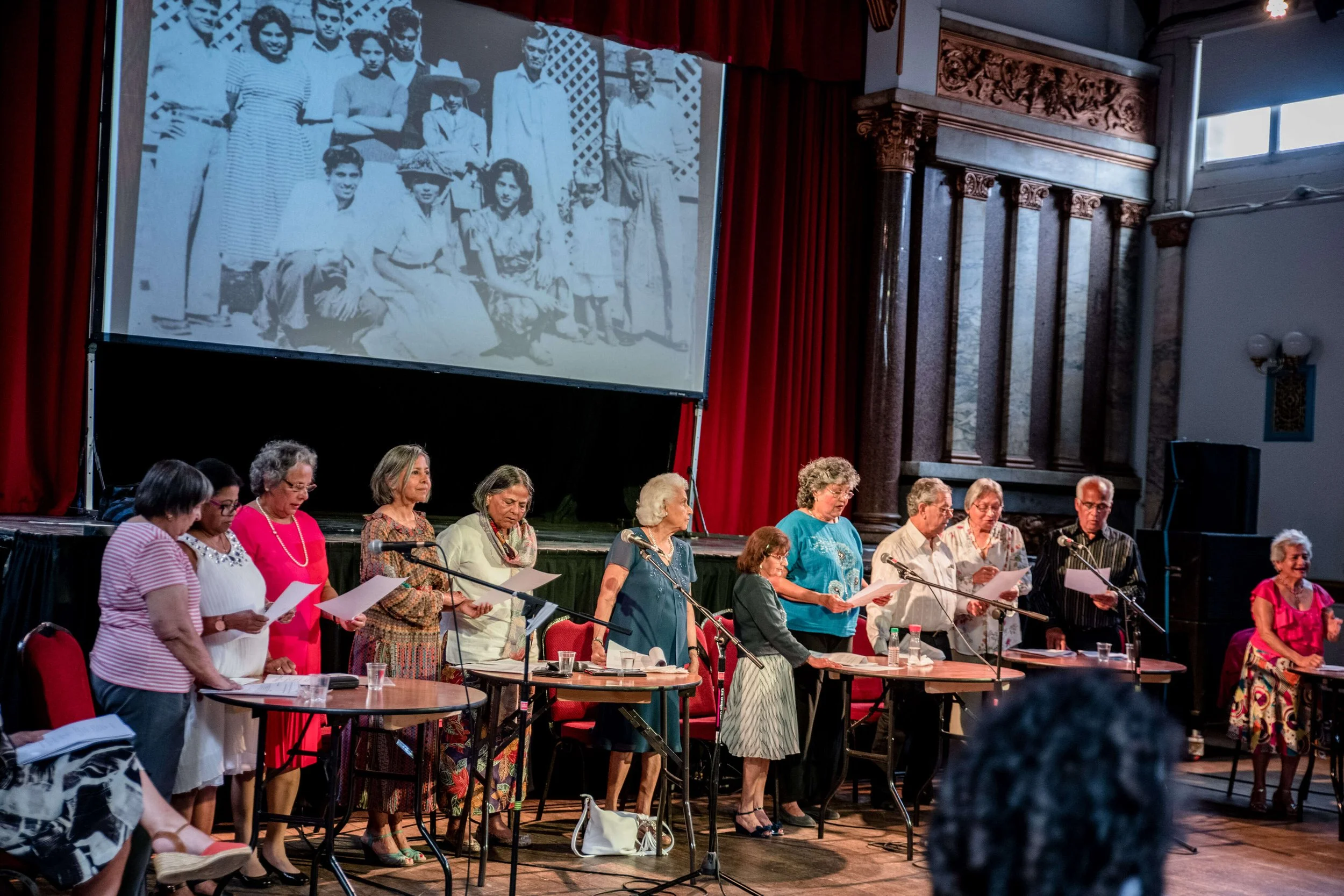
Credit: Maya Productions/Roxane Grant
Croydon Archives Catalogue Reference:
AR1272/1/3/2/2/2
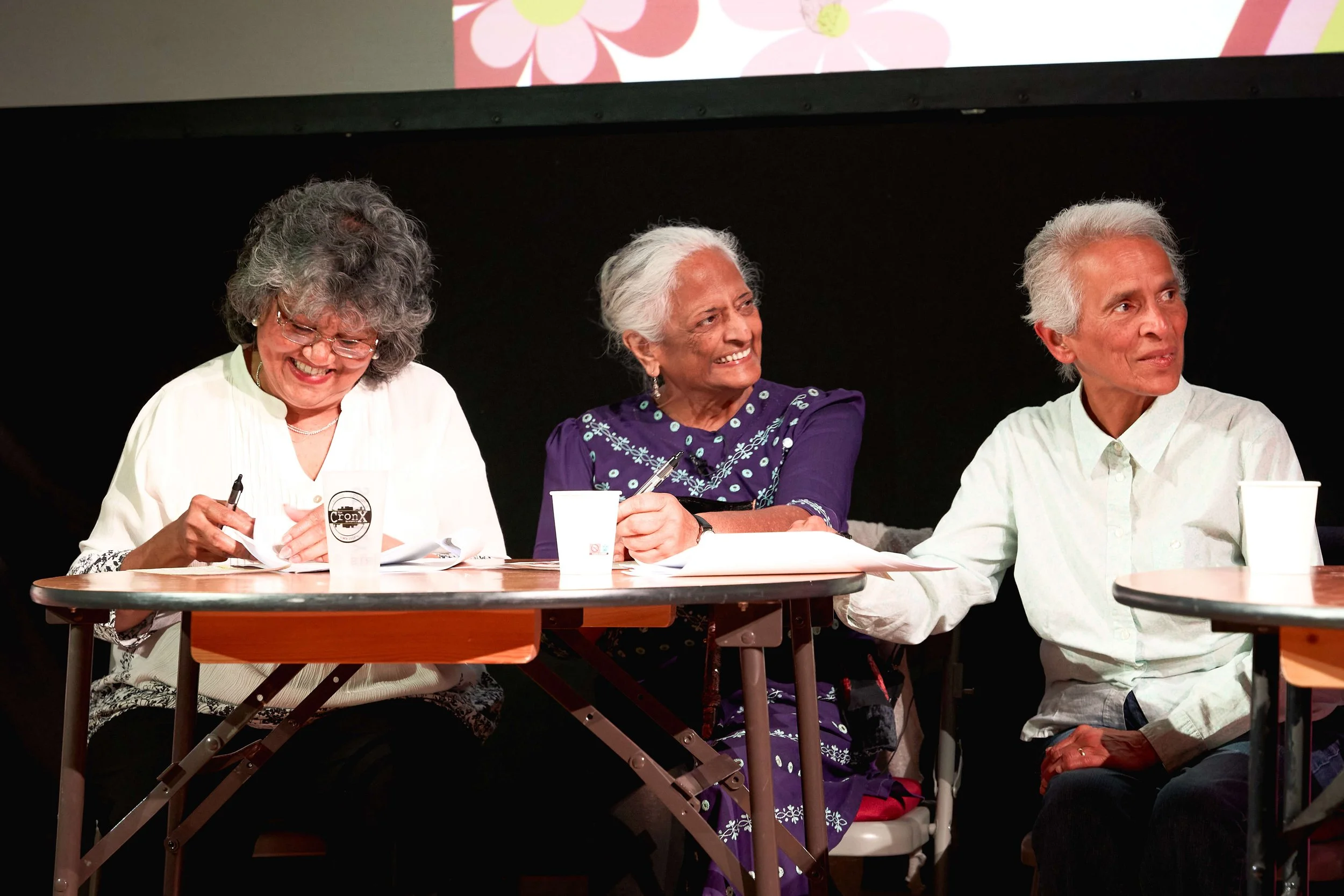
Credit: Maya Productions/Hector Rodriguez
Croydon Archives Catalogue Reference:
AR1272/1/3/2/1/1
Born-Digital Records: Today's History
Many of the records now arriving in archives are born digital, meaning they were created electronically and have never existed in paper form.
Examples include:
Council committee papers
Digital photographs of events and projects
Budget and finance spreadsheets and databases
Websites and social media content
Audio and video recordings
Electronic reports and presentations
Digital artworks
These records can often be transferred directly from the systems where they were created, for example SharePoint or Google Drive. Because they originate in digital form, we focus on preserving the files themselves, along with important contextual information such as dates, creators, any sensitivities existing within the file such as personal data, and the relationships between records.
However, born-digital records still face risks. Files can be deleted accidentally, stored in unsupported formats or become inaccessible if the software needed to open them no longer exists. Digital preservation helps manage these risks and ensures records remain available long after the original technology has changed.
Legacy Media: Rescuing Information from Older Formats
Alongside born-digital records, archives also encounter information stored on older forms of digital and analogue media.
You may remember some of these formats:
Floppy disks
CDs and DVDs
USB drives
External hard drives
Memory cards
MiniDiscs
VHS tapes
Audio cassette tapes
Preserving these materials presents another challenge.
With born-digital records, the files are usually already accessible. With legacy media, the first hurdle is often gaining access to the content at all.
A floppy disk may appear to be in perfect condition, but finding a working drive to read it can be difficult. A CD may suffer from deterioration that prevents data from being recovered. Even if the media can be read, the files may have been created using software that is no longer available.
For audiovisual formats such as VHS and cassette tapes, the challenge is slightly different. These are not digital files that can simply be copied between computers. The recordings must first be played back using specialist equipment and converted into digital preservation formats.
In many cases, the information is more at risk from the disappearance of the playback technology than from the media itself. A cassette tape may survive for decades, but without functioning tape players and the expertise to use them, the recording becomes inaccessible.
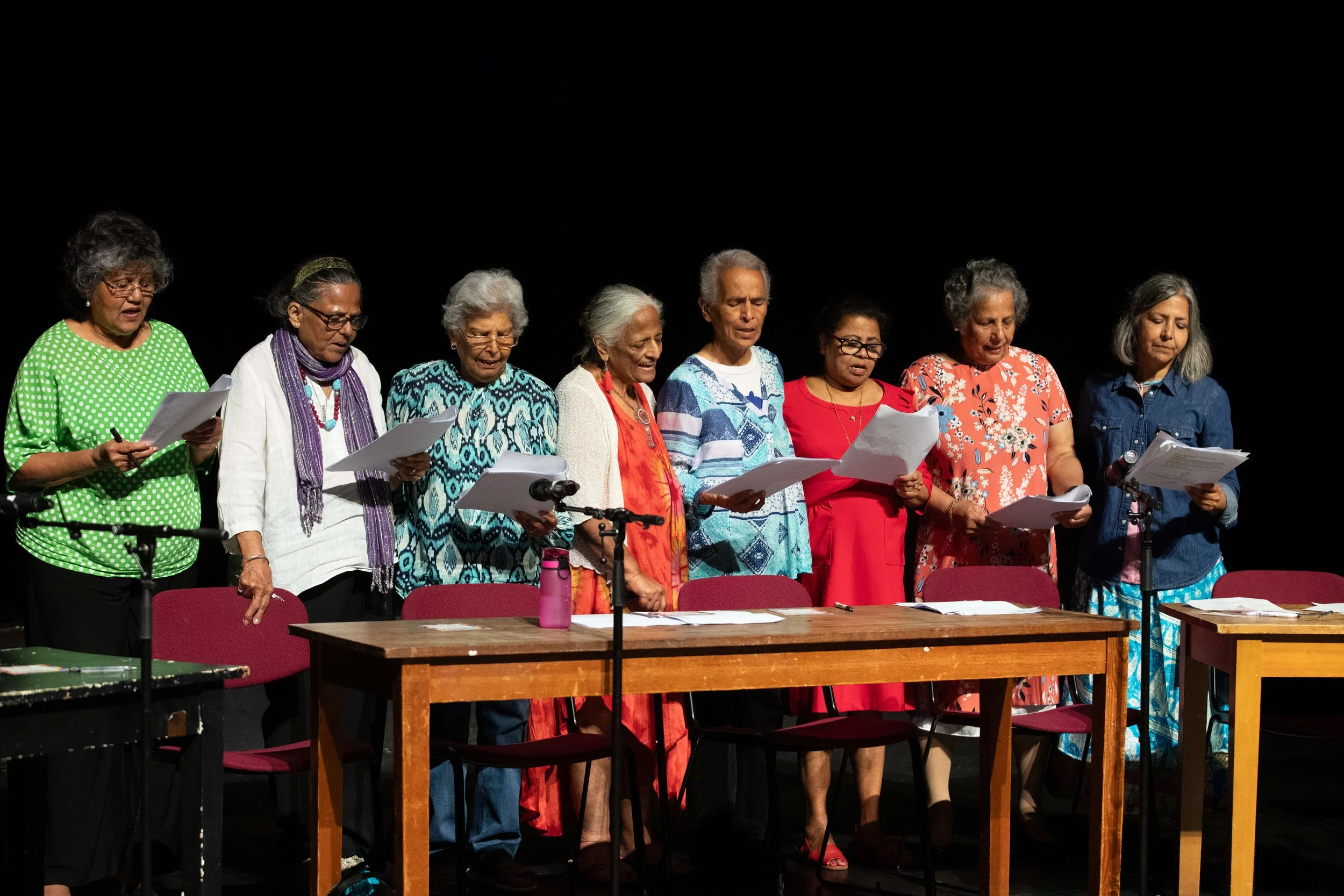
Credit: Maya Productions/Gemma Thorpe
Croydon Archives Catalogue Reference:
AR1272/1/3/2/1/2
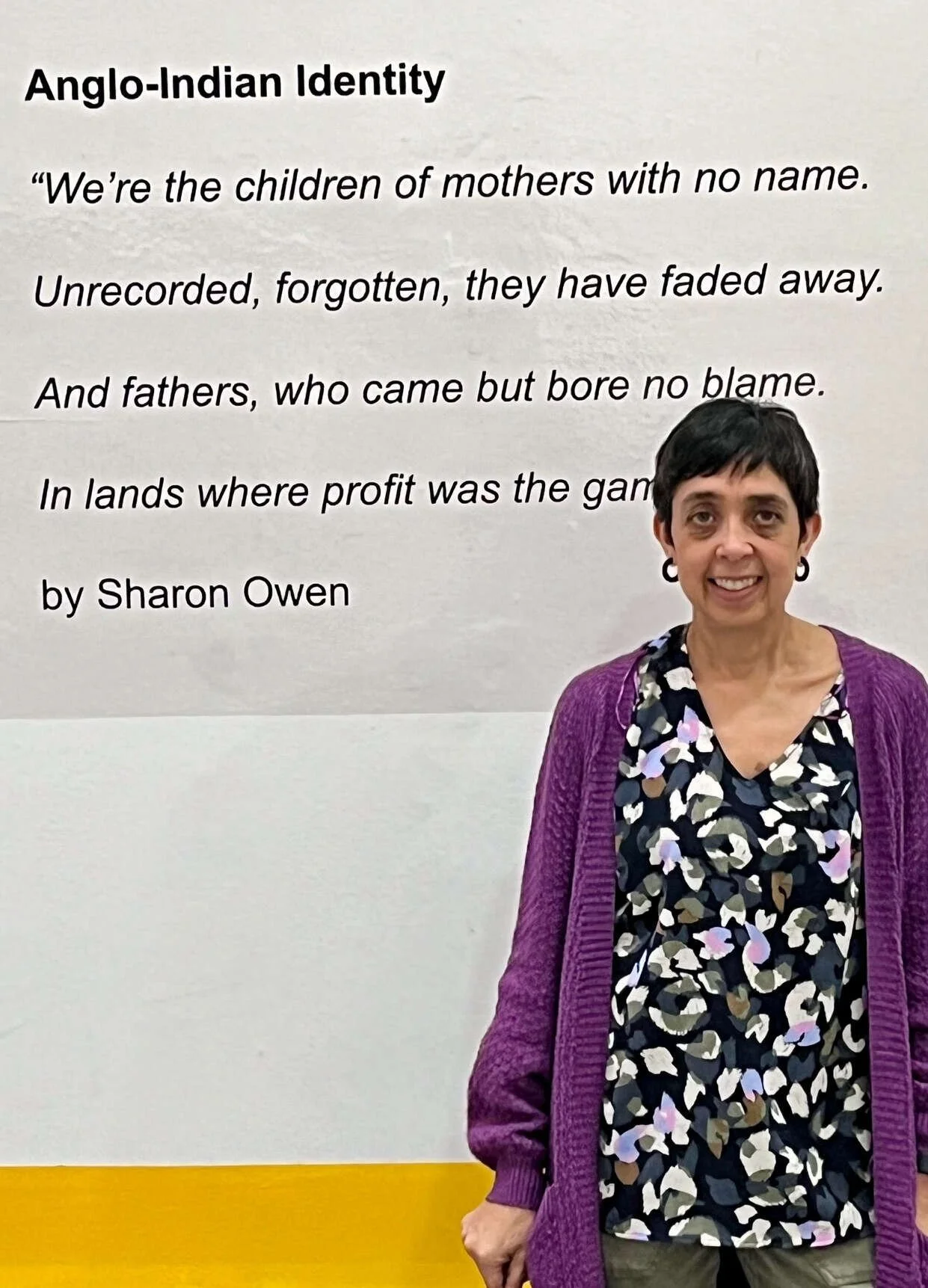
Credit: Maya Productions/Ada Onyekwelu
Croydon Archives Catalogue Reference:
AR1272/3/4/1
From Shelves to Servers
Whether a record originates as a modern PDF or as footage on a VHS cassette, the ultimate goal is the same: to make sure it remains accessible in the future.
Once a legacy format has been digitised or a born-digital record has been transferred, both enter a similar preservation workflow. Files are securely stored, documented, backed up, transferred into our digital preservation system, and regularly monitored to ensure they remain unchanged and accessible.
This work helps protect the authenticity of records while reducing the risk of loss caused by hardware failure, technological change or human error.
Preserving Tomorrow's History Today
Every generation leaves behind a record of its activities. In previous centuries this might have been written in ledgers, letters and minute books. Today, it is just as likely to exist in emails, websites, video recordings and digital documents.
The future historical record of Croydon will increasingly be digital, and we must ensure that future residents, researchers and communities can continue to access the evidence of how Croydon lived, worked, governed and changed.
This World Digital Preservation Day, we are celebrating the work being done to safeguard that digital heritage. From recovering information from ageing media to managing born-digital records created today, digital preservation helps ensure that Croydon's stories remain available for generations to come.
#WDPD2026 #SaveOurStories #DigitalPreservation #CroydonArchives
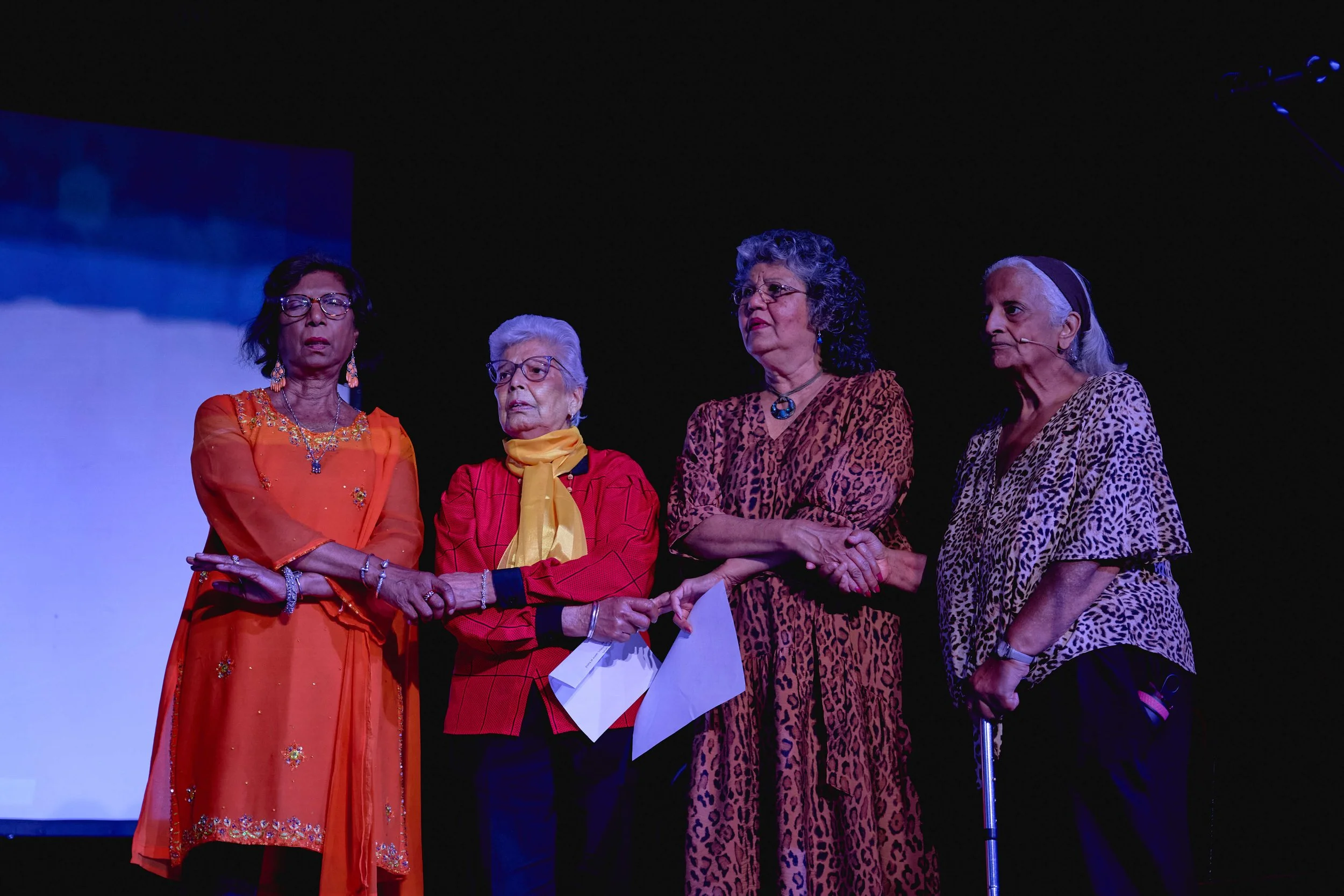
Credit: Maya Productions/Maya Productions/Hector Rodriguez
Croydon Archives Catalogue Reference:
AR1272/1/3/2/4/2